This website requires certain cookies to work and uses other cookies to help you have the best experience. By visiting this website, certain cookies have already been set, which you may delete and block. By closing this message or continuing to use our site, you agree to the use of cookies. Visit our updated privacy and cookie policy to learn more.
This Website Uses Cookies By closing this message or continuing to use our site, you agree to our cookie policy. Learn MoreThis website requires certain cookies to work and uses other cookies to help you have the best experience. By visiting this website, certain cookies have already been set, which you may delete and block. By closing this message or continuing to use our site, you agree to the use of cookies. Visit our updated privacy and cookie policy to learn more.
To say that GNSS has had a major impact on the growth enjoyed by the geospatial industry would be an understatement. There are literally billions of electronic devices used today that rely on the signals, and with better location information, many new applications are feasible such as self-driving cars and drone deliveries.
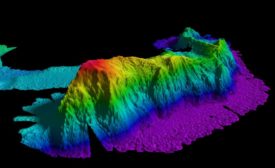
Although the majority of Americans do not use nautical charts on a regular basis, they unknowingly reap the benefits of accurate up-to-date maps of waterways, coastal areas, ports, etc.
 Subscribe